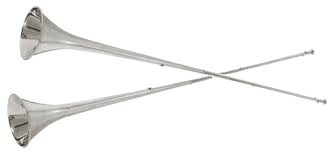
Psalm 47:1-4

Observations: 47:2 Yahweh is the Most High God (none higher) and exercises His rule for the benefit of His people whom He loves. The first half recognizes His work on behalf of Jacob's descendents. The rest of the psalm looks forward to when He will reign supreme over all the earth.
Application: Those who experience God's rule in their lives have cause for triumphant rejoicing.
Prayer: Great King Over the All the Earth, reign in my life, for Your glory's sake. Amen.
Proverbs 13:7-9 Let It Shine

Pr 13:7 “There are some who pretend to be rich, yet have nothing. There are some who pretend to be poor, yet have great wealth. 8 The ransom of a man's life is his riches, but the poor hear no threats. 9 The light of the righteous shines brightly, but the lamp of the wicked is snuffed out.”
Observations: 13:7 Appearances can be deceiving, both materially (cf “The Millionaire Next Door”) and spiritually.
13:8 Poverty has its privileges; no one wants to kidnap you for ransom.
13:9 The righteous also give light to others.
Application: Don't be misled by appearances. Proverbs helps us develop insight into the true nature of things.
Prayer: God of Light, shine through my life so others can see You. Amen.
2 Samuel 11-14 If you've ever sinned, you want to pay attention to these chapters, because you'll gain insight into why we sin, and how to prevent it. From the pinnacle of blessing, David descends to the pit of despair, done in by his unsanctified desires. He fails to value what God values and revealed. Chapters 11 and 12 are omitted from Chronicles (a priestly retelling, after the exile, of Israel's history, designed to encourage people to do what's right in God's sight, so He can bless them again).
2 Samuel 11 David Sins Bigtime

6 David sent to Joab, "Send me Uriah the Hittite." Joab sent Uriah to David. 7 When Uriah had come to him, David asked of him how Joab did, and how the people fared, and how the war prospered. 8 David said to Uriah, "Go down to your house, and wash your feet." Uriah departed out of the king’s house, and a gift from the king was sent after him. 9 But Uriah slept at the door of the king’s house with all the servants of his lord, and didn’t go down to his house. 10 When they had told David, saying, "Uriah didn’t go down to his house," David said to Uriah, "Haven’t you come from a journey? Why didn’t you go down to your house?" 11 Uriah said to David, "The ark, Israel, and Judah, are staying in tents; and my lord Joab, and the servants of my lord, are encamped in the open field. Shall I then go into my house to eat and to drink, and to lie with my wife? As you live, and as your soul lives, I will not do this thing!" 12 David said to Uriah, "Stay here today also, and tomorrow I will let you depart." So Uriah stayed in Jerusalem that day, and the next day. 13 When David had called him, he ate and drink before him; and he made him drunk. At evening, he went out to lie on his bed with the servants of his lord, but didn’t go down to his house.
14 It happened in the morning, that David wrote a letter to Joab, and sent it by the hand of Uriah. 15 He wrote in the letter, saying, "Send Uriah to the forefront of the hottest battle, and retreat from him, that he may be struck, and die." 16 It happened, when Joab kept watch on the city, that he assigned Uriah to the place where he knew that valiant men were. 17 The men of the city went out, and fought with Joab. Some of the people fell, even of the servants of David; and Uriah the Hittite died also...23 The messenger said to David, "The men prevailed against us, and came out to us into the field, and we were on them even to the entrance of the gate. 24 The shooters shot at your servants from off the wall; and some of the king’s servants are dead, and your servant Uriah the Hittite is dead also." 25 Then David said to the messenger, "Thus you shall tell Joab, ‘Don’t let this thing displease you, for the sword devours one as well as another. Make your battle stronger against the city, and overthrow it.’ Encourage him." 26 When the wife of Uriah heard that Uriah her husband was dead, she made lamentation for her husband. 27 When the mourning was past, David sent and took her home to his house, and she became his wife, and bore him a son. But the thing that David had done displeased Yahweh.
Observations: 11:1-5 Independence is the essence of sin. David seeks to meet his needs/desires independently of God. Most sin occurs when we're not doing what we should be doing, and therefore do what we shouldn't. David should have been leading his troops, but instead he's lounging at home. He falls into the same pattern we've observed since Genesis, seeing and taking, without self-control. The temptation or desire to sin isn't sin; temptation becomes sin when we exercise our will to embrace it.
James 1:14 But each one is tempted when he is drawn away by his own desires/lusts and enticed.15 Then, when desire is embraced/conceived, it gives birth to sin; and sin, when it is full-grown, brings forth death.
There is no seeking God's will, nor asking how an action fits into one's purpose for being on the planet, nor how it will fare at the judgment seat. It's just unsanctified desire/lust gratification, and results in deadly consequences. The tragedy is compounded by God indicating in the next chapter that David's self will was totally unnecessary (12:8).
11:6-13 The attempt to hide or cover up one's sin is as old as Adam, but David doesn't want Bathsheba (and perhaps himself) to get in trouble. So David calls Uriah the Hittite home so he will sleep with Bathsheba, and no one will be the wiser. Ironically everyone in Israel, and most educated people throughout history know what happened. Unfortunately, Uriah demonstrates a greater loyalty to God and the troops than David, and refuses to enjoy the comforts of home while his comrades are fighting. Had he actually done what David said, he would not have had to carry his own death warrant.
11:14-21 Joab, loyal to David, does as commanded. Uriah is murdered per David's instruction “make it look like an accident.” God isn't fooled, but He is displeased. David's desire for temporal pleasure turns God's choicest servant into an adulterer and murderer of a choice soldier. Not good.
Application: Failure to find our pleasure by serving God and seeking His will, leads to failure by serving our passions and desires.
Prayer: Lord, may I be so focused on doing Your will that I don't even notice temptation; but when I do, help me value fleeing it rather than embracing it. Amen.
2 Samuel 12 David Sorrows and Repents

7 Nathan said to David, "You are the man. This is what Yahweh, the God of Israel, says: ‘I anointed you king over Israel, and I delivered you out of the hand of Saul. 8 I gave you your master’s house, and your master’s wives into your bosom, and gave you the house of Israel and of Judah; and if that would have been too little, I would have added to you many more such things. 9 Why have you despised the word/commandment of Yahweh, to do that which is evil in his sight? You have struck Uriah the Hittite with the sword, and have taken his wife to be your wife, and have slain him with the sword of the children of Ammon. 10 Now therefore the sword will never depart from your house, because you have despised me, and have taken the wife of Uriah the Hittite to be your wife.’ 11 "This is what Yahweh says: ‘Behold, I will raise up evil against you out of your own house; and I will take your wives before your eyes, and give them to your neighbor, and he will lie with your wives in the sight of this sun. 12 For you did it secretly, but I will do this thing before all Israel, and before the sun.’" 13 David said to Nathan, "I have sinned against Yahweh." Nathan said to David, "Yahweh also has put away your sin. You will not die. 14 However, because by this deed you have given great occasion to Yahweh’s enemies to blaspheme, the child also who is born to you shall surely die." 15 Nathan departed to his house. Yahweh struck the child that Uriah’s wife bore to David, and it was very sick.
16 David therefore begged God for the child; and David fasted, and went in, and lay all night on the earth. 22 He said, "While the child was yet alive, I fasted and wept; for I said, ‘Who knows whether Yahweh will not be gracious to me, that the child may live?’ 23 But now he is dead, why should I fast? Can I bring him back again? I shall go to him, but he will not return to me." 24 David comforted Bathsheba his wife, and went in to her, and lay with her. She bore a son, and he called his name Solomon. Yahweh loved him; 25 and he sent by the hand of Nathan the prophet; and he named him Jedidiah, for Yahweh’s sake.
26 Now Joab fought against Rabbah of the children of Ammon, and took the royal city. 27 Joab sent messengers to David, and said, "I have fought against Rabbah. Yes, I have taken the city of waters. 28 Now therefore gather the rest of the people together, and encamp against the city, and take it; lest I take the city, and it be called after my name." 29 David gathered all the people together, and went to Rabbah, and fought against it, and took it. 30 He took the crown of their king from off his head; and its weight was a talent of gold, and in it were precious stones; and it was set on David’s head. He brought out the spoil of the city, exceeding much. 31 He brought out the people who were therein, and put them under saws, and under iron picks, and under axes of iron, and made them pass through the brick kiln: and he did so to all the cities of the children of Ammon. David and all the people returned to Jerusalem.
Observations: 12:1-6 A number of months later, God sends Nathan to David with a parable that exposes his sin. When we can see ourselves objectively, or as others see us, sin is obvious. However, Satan deceives us by disguising our sin, or we deceive ourselves into thinking that our temporal desires aren't deadly, and we stumble in the dark, away from the light of the truth.
12:7-12 God's just judgment of David is prefaced with a reminder of how God had met David's needs in the past and would have continued to do so if David had just asked, rather than acting independently of God (essence of sin). God would have given David even more wives! David's sin is not just the acts, but the violation of God's command/word. We tend to think certain behavior is wrong, but the root of wrong is despising (not valuing) God's word, which inevitably leads to disobeying it. Unless we change our values, we will go to the grave sinning. See help under Digging Deeper. David's earned consequences are parallel to the offenses: David's wives would be taken and the sword would never depart from his house (see next chapter).
12:13-15 David's confession “I've sinned” results in God “putting away” his sin, so that he doesn't die. The Mosaic law specified the death penalty for adultery, but Ancient Near East custom considered all the people as owned by the king. Psalm 51 David gives the fuller text of David's repentance in which he notes 51:4 "Against You, You only, have I sinned, and done this evil in Your sight..." Note that even though pardoned from the death penalty, David still reaped consequences from what he had sown. Many NT believers don't quite grasp that pardon from the guilt of sin and escaping eternal damnation in the lake of fire, does not mean everything's all good. This is one of Satan's key deceptions of believers.
Galatians 6:7 Do not be deceived, God is not mocked; for whatever a man sows, that he will also reap. 8 For he who sows to his flesh will of the flesh reap corruption, but he who sows to the Spirit will of the Spirit reap everlasting life.Most also misunderstand eternal life, incorrectly equating it with forgiveness. See section on Eternal Life (pages 18-26) in the Study Guide under Digging Deeper for more.
12:16-25 David beseeches God for mercy, somewhat like Moses did when his sin resulted in loss. God gives David the consequences of his actions, and life goes on, in the person of a second son with Bathsheba, Solomon, whom Yahweh calls Jedidiah (“beloved of Yahweh”).
12:26-31 Joab subdues the city and loyally calls David for the final assault so he will get the glory. In addition to the spoil (for the temple) the Israelites gain servants and workmen. God's work goes on.
Application: Despising God's word will result in despair. Confession results in pardon, but some consequences are permanent.
Prayer: God, may I grieve over the causes of my sin and change my values, so I don't grieve You, others, nor myself with the consequences of temporal values. Amen.
2 Samuel 13 David's Sons Sin Bigtime


30 It happened, while they were in the way, that the news came to David, saying, "Absalom has slain all the king’s sons, and there is not one of them left!" 31 Then the king arose, and tore his garments, and lay on the earth; and all his servants stood by with their clothes torn. 32 Jonadab, the son of Shimeah, David’s brother, answered, "Don’t let my lord suppose that they have killed all the young men the king’s sons; for Amnon only is dead; for by the appointment of Absalom this has been determined from the day that he forced his sister Tamar. 36 It happened, as soon as he had finished speaking, that behold, the king’s sons came, and lifted up their voice, and wept. The king also and all his servants wept bitterly. 37 But Absalom fled, and went to Talmai the son of Ammihur, king of Geshur. David mourned for his son every day. 38 So Absalom fled, and went to Geshur, and was there three years. 39 King David longed to go forth to Absalom: for he was comforted concerning Amnon, since he was dead.
Observations: 13:1-20 David not only failed to exercise self-control, he failed to train his children in it. His eldest son Amnon was so ruled by his passions that he was sick over not getting what he thought was necessary to his happiness. Listening to evil rather than good counsel resulted in deceiving his father and raping his step-sister. Then the guilt set in and he despised her. Rather than asking David to have her as his wife, a logical solution, he wrongs her and then compounds the injury by irrationally kicking her out. Frequently people hate the ones they've wronged because they need to balance out the guilt.
13:21-29 David again failed at home by letting his emotions and his own sin cloud his responsibility to do what was right (Lev 20:17). He got angry and fumed in his lazy-boy recliner, rather than executing justice. He had abdicated the moral ground by his own sin, and any just action would have appeared hypocritical. However failure to act had even worse consequences, as Absalom (third born son), Tamar's brother, murders Amnon. Like father, like son. David's second son was born of Abigail (2Sam 3:3; 1Chron 3:1) but apparently died young since no other mention is made of him. Amnon's murder puts Absalom next in line for the throne.
13:30-39 Absolom flees, and David again (cf Micah) failed to resolve family difficulties by taking the initiative to reconcile the relationship with Absalom. As king, he could have judged Amnon's murder as justified. Instead, he mourns for Absalom (not the dead Amnon) every day for years. David suffered the consequences of both his sin, and then his failure as father.
Application: When we miss Plan A, we need to be faithful to follow our responsibilities in executing Plan B, because Plan C (and D, E, etc) is even worse.
Prayer: God, may I always keep focused on what You want me to do in any situation, including when I sin, so things don't go from bad to worse. Amen.
2 Samuel 14 David Sorrows and Relents

18 Then the king answered the woman, "Please don’t hide anything from me that I ask you." The woman said, "Let my lord the king now speak." 19 The king said, "Is the hand of Joab with you in all this?" The woman answered, "As your soul lives, my lord the king, no one can turn to the right hand or to the left from anything that my lord the king has spoken; for your servant Joab, he urged me, and he put all these words in the mouth of your handmaid; 20 to change the face of the matter has your servant Joab done this thing. My lord is wise, according to the wisdom of an angel of God, to know all things that are in the earth." 21 The king said to Joab, "Behold now, I have done this thing. Go therefore, bring the young man Absalom back." 22 Joab fell to the ground on his face, showed respect, and blessed the king. Joab said, "Today your servant knows that I have found favor in your sight, my lord, king, in that the king has performed the request of his servant." 23 So Joab arose and went to Geshur, and brought Absalom to Jerusalem. 24 The king said, "Let him return to his own house, but let him not see my face." So Absalom returned to his own house, and didn’t see the king’s face.

Observations: 14:1-17 Loyal Joab, seeing David pine for his son in exile, pulls a Nathan, sending a woman to speak a parable to David, portraying the situation of Absalom. She appeals to David to show amnesty to Absalom as God had shown it to him.
14:18-24 David instructs Joab to bring Absalom back, but doesn't fully restore the relationship, refusing to let Absalom see his face.
14:25-33 Absalom has four children (blessing of fertility), and waits a couple of years, but still no reconciliation. His requests to see David are ignored by Joab until he sets Joab's fields on fire to get his attention and an audience with David. Absalom says if he is guilty, David should kill him, otherwise, restore the relationship. There is no mention of Absalom repenting or admitting sin. David accepts him back, but the delay in doing so will have further negative consequences.
Application: Our acceptance of others should mirror God's reception of us; forgiveness should result in restoration of the relationship. Things get complicated without true repentance, since the expectation is that unless a person confesses and forsakes wrong-doing, they'll repeat it, rupturing the relationship again.
Prayer: Gracious Father, thanks for forgiving me; may I be equally gracious in extending forgiveness to others. Amen.
Digging Deeper:
God in a nutshell: God desires to bless us in meeting our needs and desires, as long as we are dependent upon Him, and seek His will rather than our own. God requires holiness, and justly punishes wickedness. He pardons the eternal guilt of repentant sinners, but doesn't absolve them of all the consequences of their sin.
Us in a nutshell: We cause ourselves all kinds of problems by not doing what we should, and instead wind up doing what we shouldn't. In the pursuit of temporal pleasure (and other things) we forfeit enduring blessings and can bring upon ourselves permanent pain. Failure to live up to our responsibilities to God and others compounds our problems and unhappiness. Total repentance is the best route back to blessings, even if they are diminished.
Where to Go for More:
Truthbase.net
2 Samuel 11-14 complete text
2 Samuel 11
11:1 It happened, at the return of the year, at the time when kings go out, that David sent Joab, and his servants with him, and all Israel; and they destroyed the children of Ammon, and besieged Rabbah. But David stayed at Jerusalem. 2 It happened at evening, that David arose from off his bed, and walked on the roof of the king’s house: and from the roof he saw a woman bathing; and the woman was very beautiful to look on. 3 David sent and inquired after the woman. One said, "Isn’t this Bathsheba, the daughter of Eliam, the wife of Uriah the Hittite?" 4 David sent messengers, and took her; and she came in to him, and he lay with her (for she was purified from her uncleanness); and she returned to her house. 5 The woman conceived; and she sent and told David, and said, "I am with child."
6 David sent to Joab, "Send me Uriah the Hittite." Joab sent Uriah to David. 7 When Uriah had come to him, David asked of him how Joab did, and how the people fared, and how the war prospered. 8 David said to Uriah, "Go down to your house, and wash your feet." Uriah departed out of the king’s house, and a gift from the king was sent after him. 9 But Uriah slept at the door of the king’s house with all the servants of his lord, and didn’t go down to his house. 10 When they had told David, saying, "Uriah didn’t go down to his house," David said to Uriah, "Haven’t you come from a journey? Why didn’t you go down to your house?" 11 Uriah said to David, "The ark, Israel, and Judah, are staying in tents; and my lord Joab, and the servants of my lord, are encamped in the open field. Shall I then go into my house to eat and to drink, and to lie with my wife? As you live, and as your soul lives, I will not do this thing!" 12 David said to Uriah, "Stay here today also, and tomorrow I will let you depart." So Uriah stayed in Jerusalem that day, and the next day. 13 When David had called him, he ate and drink before him; and he made him drunk. At evening, he went out to lie on his bed with the servants of his lord, but didn’t go down to his house.
14 It happened in the morning, that David wrote a letter to Joab, and sent it by the hand of Uriah. 15 He wrote in the letter, saying, "Send Uriah to the forefront of the hottest battle, and retreat from him, that he may be struck, and die." 16 It happened, when Joab kept watch on the city, that he assigned Uriah to the place where he knew that valiant men were. 17 The men of the city went out, and fought with Joab. Some of the people fell, even of the servants of David; and Uriah the Hittite died also. 18 Then Joab sent and told David all the things concerning the war; 19 and he commanded the messenger, saying, "When you have finished telling all the things concerning the war to the king, 20 it shall be that, if the king’s wrath arise, and he asks you, ‘Why did you go so near to the city to fight? Didn’t you know that they would shoot from the wall? 21 who struck Abimelech the son of Jerubbesheth? Didn’t a woman cast an upper millstone on him from the wall, so that he died at Thebez? Why did you go so near the wall?’ then you shall say, ‘Your servant Uriah the Hittite is dead also.’" 22 So the messenger went, and came and showed David all that Joab had sent him for. 23 The messenger said to David, "The men prevailed against us, and came out to us into the field, and we were on them even to the entrance of the gate. 24 The shooters shot at your servants from off the wall; and some of the king’s servants are dead, and your servant Uriah the Hittite is dead also." 25 Then David said to the messenger, "Thus you shall tell Joab, ‘Don’t let this thing displease you, for the sword devours one as well as another. Make your battle stronger against the city, and overthrow it.’ Encourage him." 26 When the wife of Uriah heard that Uriah her husband was dead, she made lamentation for her husband. 27 When the mourning was past, David sent and took her home to his house, and she became his wife, and bore him a son. But the thing that David had done displeased Yahweh.
2 Samuel 12
12:1 Yahweh sent Nathan to David. He came to him, and said to him, "There were two men in one city; the one rich, and the other poor. 2 The rich man had very many flocks and herds, 3 but the poor man had nothing, except one little ewe lamb, which he had bought and raised. It grew up together with him, and with his children. It ate of his own food, drank of his own cup, and lay in his bosom, and was to him like a daughter. 4 A traveller came to the rich man, and he spared to take of his own flock and of his own herd, to dress for the wayfaring man who had come to him, but took the poor man’s lamb, and dressed it for the man who had come to him." 5 David’s anger was greatly kindled against the man, and he said to Nathan, "As Yahweh lives, the man who has done this is worthy to die! 6 He shall restore the lamb fourfold, because he did this thing, and because he had no pity!" 7 Nathan said to David, "You are the man. This is what Yahweh, the God of Israel, says: ‘I anointed you king over Israel, and I delivered you out of the hand of Saul. 8 I gave you your master’s house, and your master’s wives into your bosom, and gave you the house of Israel and of Judah; and if that would have been too little, I would have added to you many more such things. 9 Why have you despised the word of Yahweh, to do that which is evil in his sight? You have struck Uriah the Hittite with the sword, and have taken his wife to be your wife, and have slain him with the sword of the children of Ammon. 10 Now therefore the sword will never depart from your house, because you have despised me, and have taken the wife of Uriah the Hittite to be your wife.’ 11 "This is what Yahweh says: ‘Behold, I will raise up evil against you out of your own house; and I will take your wives before your eyes, and give them to your neighbour, and he will lie with your wives in the sight of this sun. 12 For you did it secretly, but I will do this thing before all Israel, and before the sun.’" 13 David said to Nathan, "I have sinned against Yahweh." Nathan said to David, "Yahweh also has put away your sin. You will not die. 14 However, because by this deed you have given great occasion to Yahweh’s enemies to blaspheme, the child also who is born to you shall surely die."
15 Nathan departed to his house. Yahweh struck the child that Uriah’s wife bore to David, and it was very sick. 16 David therefore begged God for the child; and David fasted, and went in, and lay all night on the earth. 17 The elders of his house arose beside him, to raise him up from the earth: but he would not, neither did he eat bread with them. 18 It happened on the seventh day, that the child died. The servants of David feared to tell him that the child was dead; for they said, "Behold, while the child was yet alive, we spoke to him, and he didn’t listen to our voice. How will he then harm himself, if we tell him that the child is dead?" 19 But when David saw that his servants were whispering together, David perceived that the child was dead; and David said to his servants, "Is the child dead?" They said, "He is dead." 20 Then David arose from the earth, and washed, and anointed himself, and changed his clothing; and he came into the house of Yahweh, and worshipped: then he came to his own house; and when he required, they set bread before him, and he ate. 21 Then his servants said to him, "What is this that you have done? You fasted and wept for the child while he was alive; but when the child was dead, you rose up and ate bread." 22 He said, "While the child was yet alive, I fasted and wept; for I said, ‘Who knows whether Yahweh will not be gracious to me, that the child may live?’ 23 But now he is dead, why should I fast? Can I bring him back again? I shall go to him, but he will not return to me." 24 David comforted Bathsheba his wife, and went in to her, and lay with her. She bore a son, and he called his name Solomon. Yahweh loved him; 25 and he sent by the hand of Nathan the prophet; and he named him Jedidiah, for Yahweh’s sake.
26 Now Joab fought against Rabbah of the children of Ammon, and took the royal city. 27 Joab sent messengers to David, and said, "I have fought against Rabbah. Yes, I have taken the city of waters. 28 Now therefore gather the rest of the people together, and encamp against the city, and take it; lest I take the city, and it be called after my name." 29 David gathered all the people together, and went to Rabbah, and fought against it, and took it. 30 He took the crown of their king from off his head; and its weight was a talent of gold, and in it were precious stones; and it was set on David’s head. He brought out the spoil of the city, exceeding much. 31 He brought out the people who were therein, and put them under saws, and under iron picks, and under axes of iron, and made them pass through the brick kiln: and he did so to all the cities of the children of Ammon. David and all the people returned to Jerusalem.
2 Samuel 13
13:1 It happened after this, that Absalom the son of David had a beautiful sister, whose name was Tamar; and Amnon the son of David loved her. 2 Amnon was so troubled that he fell sick because of his sister Tamar; for she was a virgin; and it seemed hard to Amnon to do anything to her. 3 But Amnon had a friend, whose name was Jonadab, the son of Shimeah, David’s brother; and Jonadab was a very subtle man. 4 He said to him, "Why, son of the king, are you so sad from day to day? Won’t you tell me?" Amnon said to him, "I love Tamar, my brother Absalom’s sister." 5 Jonadab said to him, "Lay down on your bed, and pretend to be sick. When your father comes to see you, tell him, ‘Please let my sister Tamar come and give me bread to eat, and dress the food in my sight, that I may see it, and eat it from her hand.’" 6 So Amnon lay down and faked being sick. When the king came to see him, Amnon said to the king, "Please let my sister Tamar come, and make me a couple of cakes in my sight, that I may eat from her hand." 7 Then David sent home to Tamar, saying, "Go now to your brother Amnon’s house, and prepare food for him." 8 So Tamar went to her brother Amnon’s house; and he was laid down. She took dough, and kneaded it, and made cakes in his sight, and baked the cakes. 9 She took the pan, and poured them out before him; but he refused to eat. Amnon said, "Have all men leave me." Every man went out from him. 10 Amnon said to Tamar, "Bring the food into the room, that I may eat from your hand." Tamar took the cakes which she had made, and brought them into the room to Amnon her brother. 11 When she had brought them near to him to eat, he took hold of her, and said to her, "Come, lie with me, my sister!" 12 She answered him, "No, my brother, do not force me! For no such thing ought to be done in Israel. Don’t you do this folly. 13 I, where would I carry my shame? And as for you, you will be as one of the fools in Israel. Now therefore, please speak to the king; for he will not withhold me from you." 14 However he would not listen to her voice; but being stronger than she, he forced her, and lay with her. 15 Then Amnon hated her with exceeding great hatred; for the hatred with which he hated her was greater than the love with which he had loved her. Amnon said to her, "Arise, be gone!" 16 She said to him, "Not so, because this great wrong in sending me away is worse than the other that you did to me!" But he would not listen to her. 17 Then he called his servant who ministered to him, and said, "Put now this woman out from me, and bolt the door after her." 18 She had a garment of various colours on her; for with such robes were the king’s daughters who were virgins dressed. Then his servant brought her out, and bolted the door after her. 19 Tamar put ashes on her head, and tore her garment of various colours that was on her; and she laid her hand on her head, and went her way, crying aloud as she went. 20 Absalom her brother said to her, "Has Amnon your brother been with you? But now hold your peace, my sister. He is your brother. Don’t take this thing to heart." So Tamar remained desolate in her brother Absalom’s house.
21 But when king David heard of all these things, he was very angry. 22 Absalom spoke to Amnon neither good nor bad; for Absalom hated Amnon, because he had forced his sister Tamar. 23 It happened after two full years, that Absalom had sheepshearers in Baal Hazor, which is beside Ephraim: and Absalom invited all the king’s sons. 24 Absalom came to the king, and said, "See now, your servant has sheepshearers. Please let the king and his servants go with your servant." 25 The king said to Absalom, "No, my son, let us not all go, lest we be burdensome to you." He pressed him; however he would not go, but blessed him. 26 Then Absalom said, "If not, please let my brother Amnon go with us." The king said to him, "Why should he go with you?" 27 But Absalom pressed him, and he let Amnon and all the king’s sons go with him. 28 Absalom commanded his servants, saying, "Mark now, when Amnon’s heart is merry with wine; and when I tell you, ‘Strike Amnon,’ then kill him. Don’t be afraid. Haven’t I commanded you? Be courageous, and be valiant!" 29 The servants of Absalom did to Amnon as Absalom had commanded. Then all the king’s sons arose, and every man got up on his mule, and fled.
30 It happened, while they were in the way, that the news came to David, saying, "Absalom has slain all the king’s sons, and there is not one of them left!" 31 Then the king arose, and tore his garments, and lay on the earth; and all his servants stood by with their clothes torn. 32 Jonadab, the son of Shimeah, David’s brother, answered, "Don’t let my lord suppose that they have killed all the young men the king’s sons; for Amnon only is dead; for by the appointment of Absalom this has been determined from the day that he forced his sister Tamar. 33 Now therefore don’t let my lord the king take the thing to his heart, to think that all the king’s sons are dead; for Amnon only is dead." 34 But Absalom fled. The young man who kept the watch lifted up his eyes, and looked, and behold, many people were coming by way of the hillside behind him. 35 Jonadab said to the king, "Behold, the king’s sons are coming! It is as your servant said." 36 It happened, as soon as he had finished speaking, that behold, the king’s sons came, and lifted up their voice, and wept. The king also and all his servants wept bitterly. 37 But Absalom fled, and went to Talmai the son of Ammihur, king of Geshur. David mourned for his son every day. 38 So Absalom fled, and went to Geshur, and was there three years. 39 King David longed to go forth to Absalom: for he was comforted concerning Amnon, since he was dead.
2 Samuel 14
14:1 Now Joab the son of Zeruiah perceived that the king’s heart was toward Absalom. 2 Joab sent to Tekoa, and fetched there a wise woman, and said to her, "Please act like a mourner, and put on mourning clothing, please, and don’t anoint yourself with oil, but be as a woman who has mourned a long time for the dead. 3 Go in to the king, and speak like this to him." So Joab put the words in her mouth. 4 When the woman of Tekoa spoke to the king, she fell on her face to the ground, showed respect, and said, "Help, O king!" 5 The king said to her, "What ails you?" She answered, "Truly I am a widow, and my husband is dead. 6 Your handmaid had two sons, and they both fought together in the field, and there was no one to part them, but the one struck the other, and killed him. 7 Behold, the whole family has risen against your handmaid, and they say, ‘Deliver him who struck his brother, that we may kill him for the life of his brother whom he killed, and so destroy the heir also.’ Thus they would quench my coal which is left, and would leave to my husband neither name nor remainder on the surface of the earth." 8 The king said to the woman, "Go to your house, and I will give a command concerning you." 9 The woman of Tekoa said to the king, "My lord, O king, the iniquity be on me, and on my father’s house; and the king and his throne be guiltless." 10 The king said, "Whoever says anything to you, bring him to me, and he shall not touch you any more." 11 Then she said, "Please let the king remember Yahweh your God, that the avenger of blood destroy not any more, lest they destroy my son." He said, "As Yahweh lives, not one hair of your son shall fall to the earth." 12 Then the woman said, "Please let your handmaid speak a word to my lord the king." He said, "Say on." 13 The woman said, "Why then have you devised such a thing against the people of God? For in speaking this word the king is as one who is guilty, in that the king does not bring home again his banished one. 14 For we must die, and are as water split on the ground, which can’t be gathered up again; neither does God take away life, but devises means, that he who is banished not be an outcast from him. 15 Now therefore seeing that I have come to speak this word to my lord the king, it is because the people have made me afraid: and your handmaid said, ‘I will now speak to the king; it may be that the king will perform the request of his servant.’ 16 For the king will hear, to deliver his servant out of the hand of the man who would destroy me and my son together out of the inheritance of God. 17 Then your handmaid said, ‘Please let the word of my lord the king bring rest; for as an angel of God, so is my lord the king to discern good and bad. May Yahweh, your God, be with you.’" 18 Then the king answered the woman, "Please don’t hide anything from me that I ask you." The woman said, "Let my lord the king now speak." 19 The king said, "Is the hand of Joab with you in all this?" The woman answered, "As your soul lives, my lord the king, no one can turn to the right hand or to the left from anything that my lord the king has spoken; for your servant Joab, he urged me, and he put all these words in the mouth of your handmaid; 20 to change the face of the matter has your servant Joab done this thing. My lord is wise, according to the wisdom of an angel of God, to know all things that are in the earth."
21 The king said to Joab, "Behold now, I have done this thing. Go therefore, bring the young man Absalom back." 22 Joab fell to the ground on his face, showed respect, and blessed the king. Joab said, "Today your servant knows that I have found favour in your sight, my lord, king, in that the king has performed the request of his servant." 23 So Joab arose and went to Geshur, and brought Absalom to Jerusalem. 24 The king said, "Let him return to his own house, but let him not see my face." So Absalom returned to his own house, and didn’t see the king’s face. 25 Now in all Israel there was none to be so much praised as Absalom for his beauty: from the sole of his foot even to the crown of his head there was no blemish in him. 26 When he cut the hair of his head (now it was at every year’s end that he cut it; because it was heavy on him, therefore he cut it); he weighed the hair of his head at two hundred shekels, after the king’s weight. 27 To Absalom there were born three sons, and one daughter, whose name was Tamar: she was a woman of a beautiful face.
28 Absalom lived two full years in Jerusalem; and he didn’t see the king’s face. 29 Then Absalom sent for Joab, to send him to the king; but he would not come to him: and he sent again a second time, but he would not come. 30 Therefore he said to his servants, "Behold, Joab’s field is near mine, and he has barley there. Go and set it on fire." Absalom’s servants set the field on fire. 31 Then Joab arose, and came to Absalom to his house, and said to him, "Why have your servants set my field on fire?" 32 Absalom answered Joab, "Behold, I sent to you, saying, ‘Come here, that I may send you to the king, to say, "Why have I come from Geshur? It would be better for me to be there still. Now therefore let me see the king’s face; and if there is iniquity in me, let him kill me."’" 33 So Joab came to the king, and told him; and when he had called for Absalom, he came to the king, and bowed himself on his face to the ground before the king: and the king kissed Absalom.